

Smart contracts power most of the modern blockchain economy. They automate trading, DeFi lending, token transfers, DAO governance, airdrops, NFT minting, and thousands of Web3 applications. As adoption grew, so did the number of malicious actors creating fraudulent, deceptive, or technically compromised contracts.
In 2026, learning to recognize these threats is not optional anymore — it is essential self-defense for anyone using blockchain. This guide explains how smart contracts work, how scammers exploit them, what real red flags look like, and how to verify code, audits, and project credibility before interacting with any dApp. By the end, you’ll know exactly how to evaluate contract safety even if you don’t know Solidity.
Key Takeaways
- Smart contracts are irreversible, so a single malicious approval can permanently drain funds.
- Scam contracts hide harmful logic behind normal-looking interfaces, often using excessive permissions or upgradeable proxies.
- Legitimate projects are transparent — with verifiable audits, real documentation, and traceable developer activity.
- Guaranteed profits and unrealistic yields are reliable indicators of deceptive or unsustainable contract mechanics.
- Copycat websites and fake airdrop pages distribute wallet-draining contracts by imitating trusted platforms.
- High-pressure marketing pushes users into interacting without due diligence, increasing vulnerability to fraud.
- Security tools and community feedback help detect red flags early, but user discipline remains the most effective protection.
What Smart Contracts Really Are (and Why They Can Be Dangerous)
A smart contract is a self-executing program on the blockchain, running exactly as written without the possibility of altering or reversing its behavior. According to the official Ethereum documentation, smart contracts live at a fixed blockchain address and execute deterministically once called. When you click “Connect Wallet,” “Approve,” or “Swap,” you are granting a program permission to perform actions on your behalf.
This design gives enormous power: everything is automated, transparent, and irreversible. It also creates a perfect attack surface. A malicious contract does not need to break your wallet — it only needs you to approve it. After that, the code can drain tokens, lock your assets, reroute funds, or mint supply infinitely.
In 2024–2025, hacks increasingly exploited not only coding flaws but also over-permissioned approvals from unsuspecting users. The blockchain does not care whether the contract was dishonest. It executes exactly what the code says, permanently.
The Rise of Smart Contract Scams in 2024–2025
According to the Chainalysis Crypto Crime Report 2025, Web3 attackers shifted toward wallet-draining contracts, fake staking dApps, and malicious token approvals embedded in phishing websites. Losses from technically flawed or deliberately malicious contracts remain one of the most persistent categories of crypto crime.
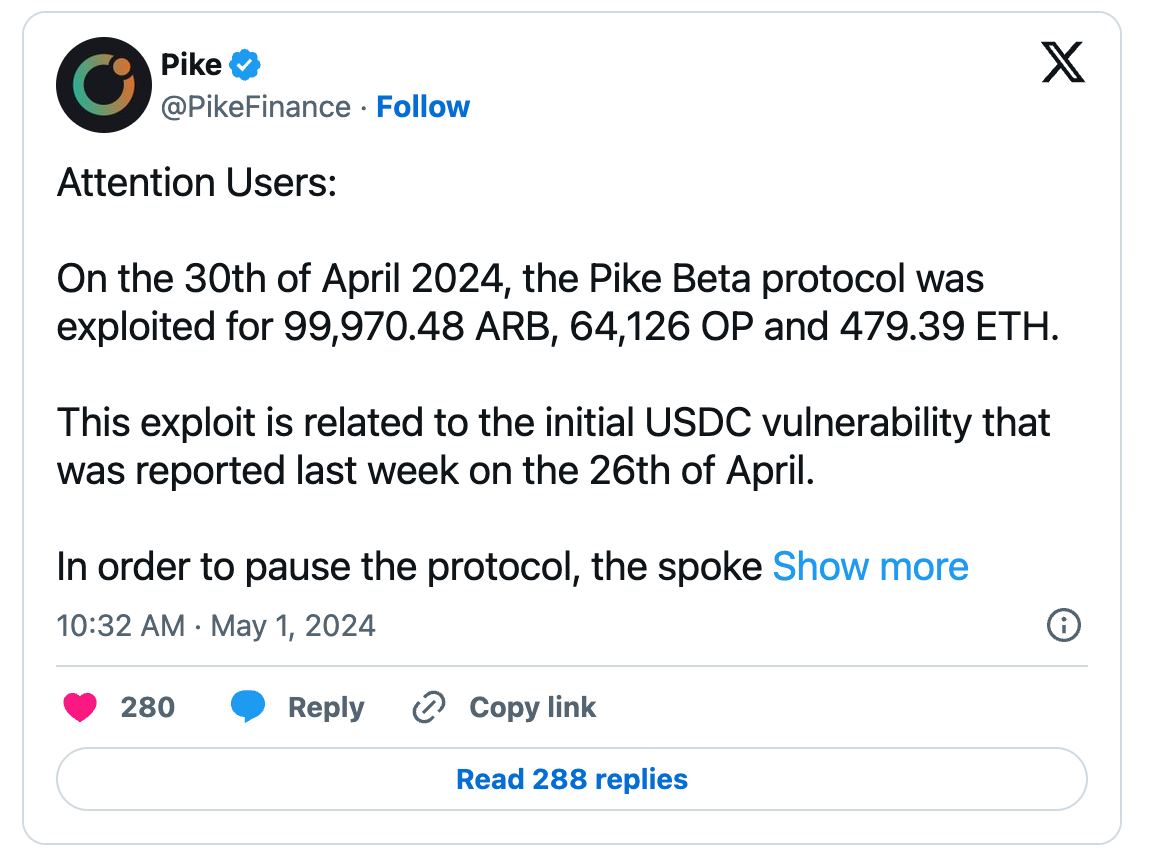
In April 2024, the DeFi lending protocol Pike Finance suffered two exploits totaling $1.98 million across Ethereum, Arbitrum, and Optimism. As reported by CryptoNews, attackers exploited vulnerabilities in the protocol’s smart contracts.
According to a summary of the CertiK Web3 Security Report 2024 published by BitcoinKE, phishing attacks dominated the Web3 threat landscape in 2024, resulting in over $1.01 billion in losses across 296 incidents. Overall, more than $2.3 billion was lost in 760 documented security breaches, highlighting how wallet-draining and approval-based attacks continue to evolve rather than disappear.
The lesson is clear: the blockchain landscape rewards transparency, but it does not protect the careless.
Tip: If you want to avoid unnecessary exposure to risky smart contracts, consider using a non-custodial exchange like ChangeNOW. You can swap crypto instantly without registration, without approvals, and without interacting with high-risk on-chain contracts.
Every safe interaction starts with patience. Every scam succeeds because someone rushed.
If you learn to slow down, question boldly, and verify before approving, you will navigate the Web3 ecosystem with confidence instead of fear. Smart contracts are powerful — but only when used with discipline.


